The feed rewards volume
Short-form video is the cheapest way to get discovered, but it pays out to people who post often, for weeks, without running dry.
Paste a link to your app, website, shop or newsletter. PostQuake works out who it's for, writes hooks in your customers' own words, and renders a week of TikTok-style slideshows and videos, ready for TikTok, Reels, Shorts and Facebook.

The problem
Short-form video is the cheapest way to get discovered, but it pays out to people who post often, for weeks, without running dry.
Before anything goes live, someone has to do all of this, for every platform and every account.
Developers post for a few days, get pulled back into the product, and start from zero next month.
How it works
Your coding agent does the thinking. PostQuake's engine does everything that has to be exact: importing, validating, rendering and scheduling.
Paste an App Store or Google Play link, or any website: a web app, a shop, a newsletter, a portfolio. PostQuake pulls the name, pitch, icon and brand colours, and takes screenshots from the store listing or from your site itself.
A one-time, ten-question interview, then research into real reviews and forums. The result is a customer profile written in their words, with every quote sourced. Nothing is made up.
Pick formats and a count. Every hook, slide and caption is written for that customer, checked against the format rules and the rest of the batch, then rendered to 1080×1920 slides and an MP4.
Export a zip with a posting manifest, or schedule across TikTok, Reels, Shorts and Facebook Pages through Postiz, with a dry run you approve first.
Real output
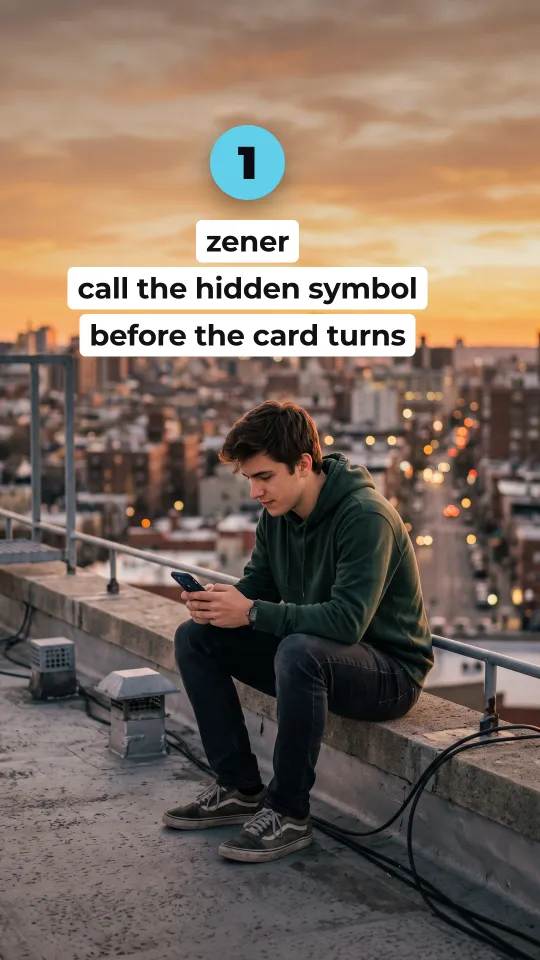
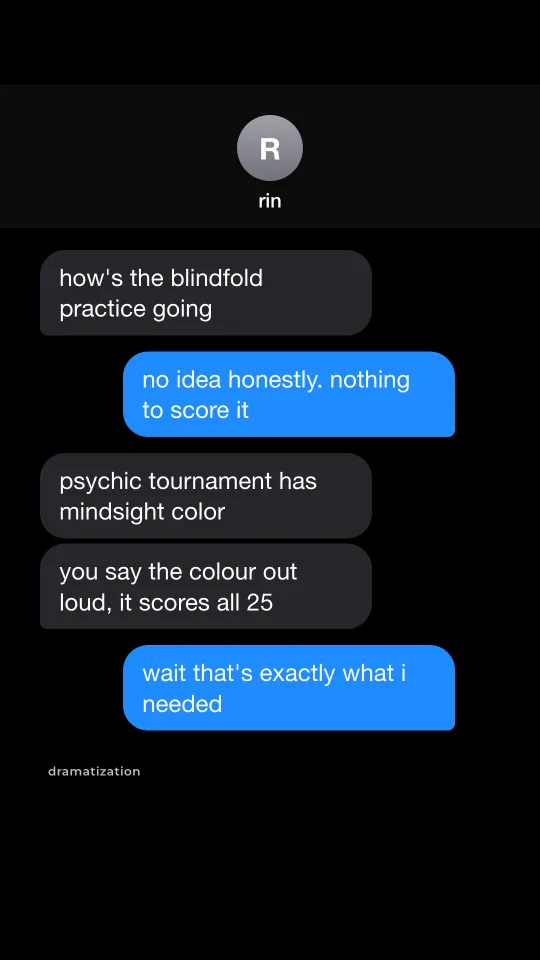
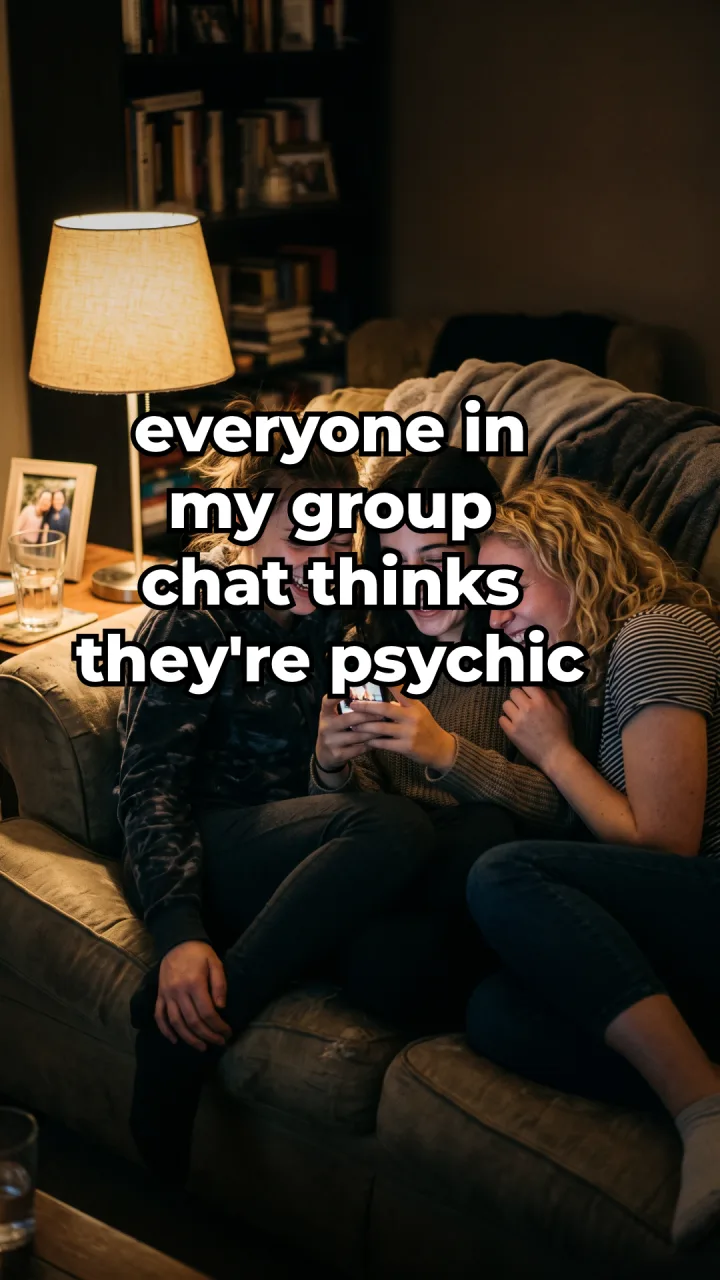
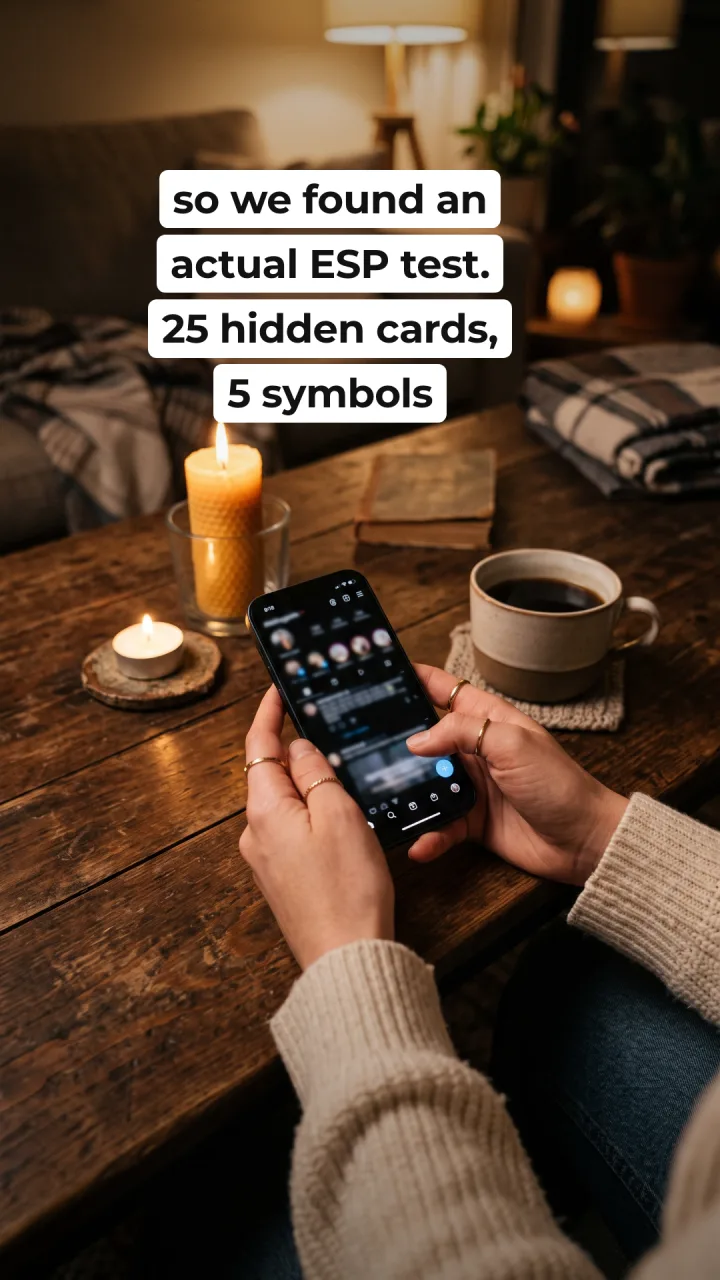
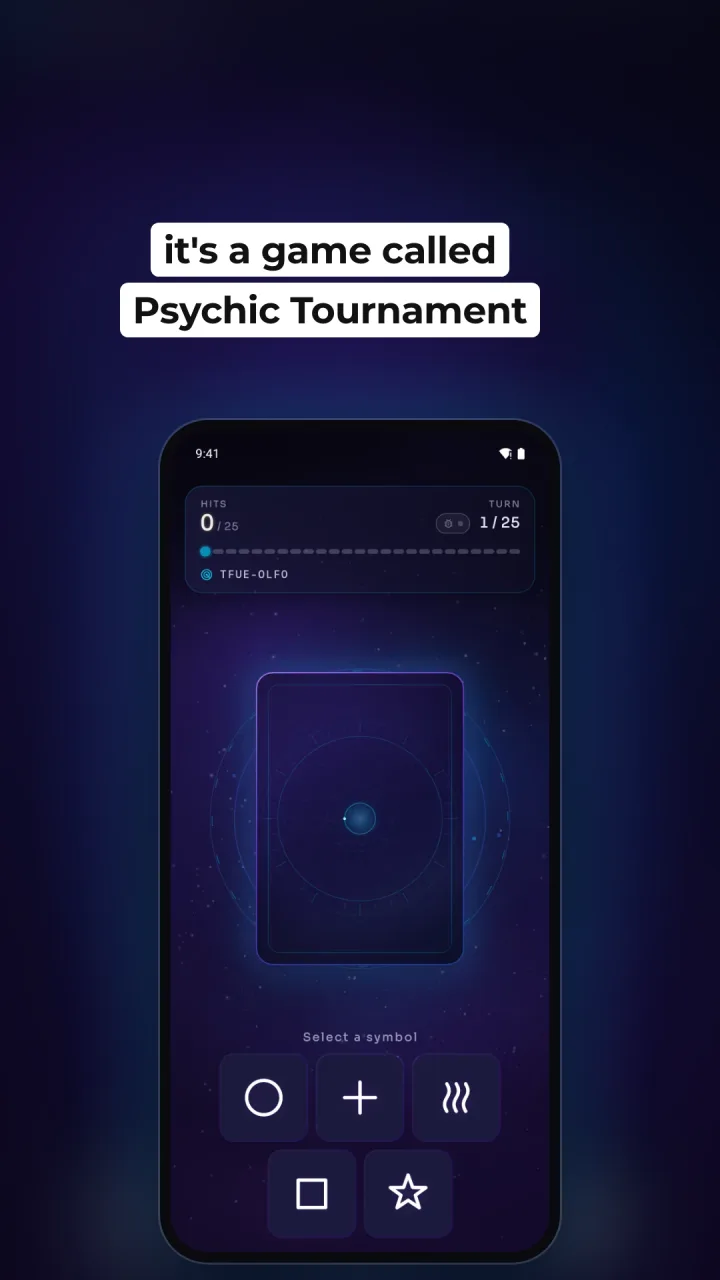
This is a real PostQuake set for Psychic Tournament, our own iOS and Android game and our first customer. Tap a slide to jump to it.
The photos in this set are AI-generated, so PostQuake marks it for an AI label when it's published. Swap in your own photos and the label goes away. See how that works.
Formats
Each format carries its own writing guide, slide roles, text limits and image style, so every set comes out on-pattern without you writing any rules. The slides in the first three cards are real PostQuake output.
A relatable hook, a short story over two or three slides, then the product.
"N things…" people save and send to a friend. The product shows up as the last item, never as a hard sell.
A pain, a turning point, and a result, often told through a mocked chat that's clearly labelled as a dramatization.
Chats and notifications rendered in HTML, so they cost nothing to make. They're always labelled as staged, never passed off as real users.
Why PostQuake
Pumping out slideshows is the easy part. The hard part is doing it every week without repeating yourself, getting flagged, or making claims you can't back up.
Every set is checked against its format and the rest of the batch before anything renders. Duplicate hooks and captions are rejected, and near-duplicates are flagged.
Drop in your own photos or licensed stock and record where each came from. Sets built only from them post without an AI label. Sets with AI imagery are labelled automatically, and provenance is never stripped.
About $0.10 per AI image on your own Gemini key. Images are cached, so re-renders are free, and every paid call is logged.
Videos only use tracks with a recorded licence. Anything else is refused before it can get you muted or struck.
Text stays out of the bottom caption area and the right-hand button rail on TikTok and Reels, and it auto-fits.
Customer quotes have to be real and sourced. Staged chats say "dramatization" right on the slide. That keeps you on the right side of endorsement rules.
Roadmap
We're upfront about what ships today and what's still coming. Here's where each piece stands.
Coming with the web app
Every post gets a Magnitude score for how hard it shook the feed. The ones that land get Aftershocks: fresh posts that reuse the winning format with new angles.
Running cost
You bring your own Gemini key and pay Google directly for images, with no markup. Slides, videos, mock screens and store cards all render on your machine for free.
Estimated image spend
Based on about $0.10 per image (Gemini image model at 2K) and 4.33 weeks per month. Google's pricing may change.
Early access
We're letting makers in a few at a time while we dogfood PostQuake on our own game. Join the list and we'll send your invite.
No spam. Just your invite and big releases.
No. Apps were our first customer, not the limit. Paste any website: a web app, an online shop, a newsletter, a portfolio, a course or a local business. When there's no store listing, PostQuake screenshots your site on a phone for the product slides and closes each set with your domain.
Today PostQuake runs through a coding agent like Claude Code, Codex or Cursor. You talk to the agent in plain English and it drives PostQuake for you, but you'll need to be comfortable opening one. A web app that anyone can use is next on the roadmap.
AI images cost about $0.10 each on your own Gemini key, paid straight to Google. Everything else (slides, videos, mock screens, store cards) renders locally for free, and cached images cost nothing to re-render. Use the calculator for your numbers.
Only the sets that contain AI-generated imagery, and those are labelled automatically wherever the platform asks. Sets built from your own photos or licensed stock, screenshots and rendered screens carry no label. PostQuake never strips or hides AI provenance.
TikTok (photo slideshow or video), Instagram Reels, Facebook Page video and YouTube Shorts. Scheduling goes through Postiz, and you can always export a zip with a posting manifest and post by hand.
Every set gets its own angle. Across a batch, PostQuake varies the hook style, first word, screenshot, setting and caption, and the validator rejects duplicate hooks or captions before anything renders.
PostQuake only uses tracks with a recorded licence and refuses anything else. Note that TikTok business accounts are limited to TikTok's Commercial Music Library.
No. Customer quotes have to be real and sourced. Mocked chats and notifications are dramatizations, labelled on the slide, and they're never presented as real users or results.
An indie team that built PostQuake to market our own game, Psychic Tournament, and kept going. Every feature gets tested on our own accounts before it reaches yours.